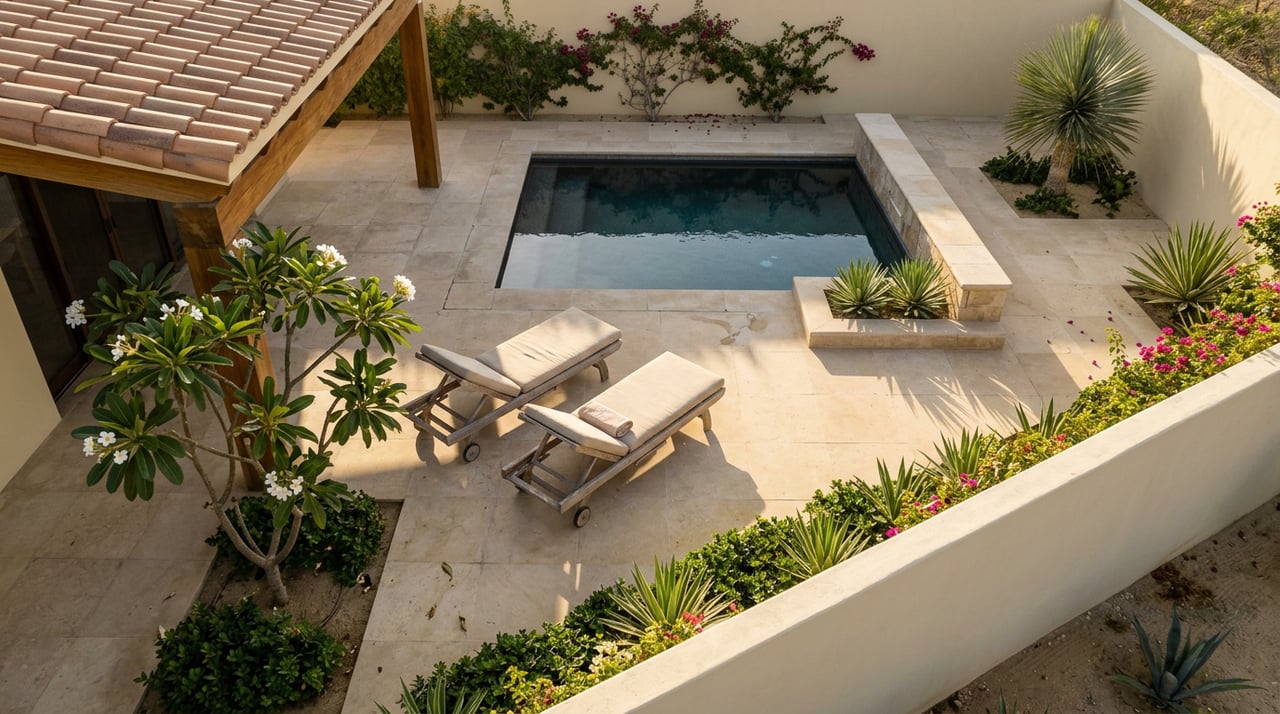
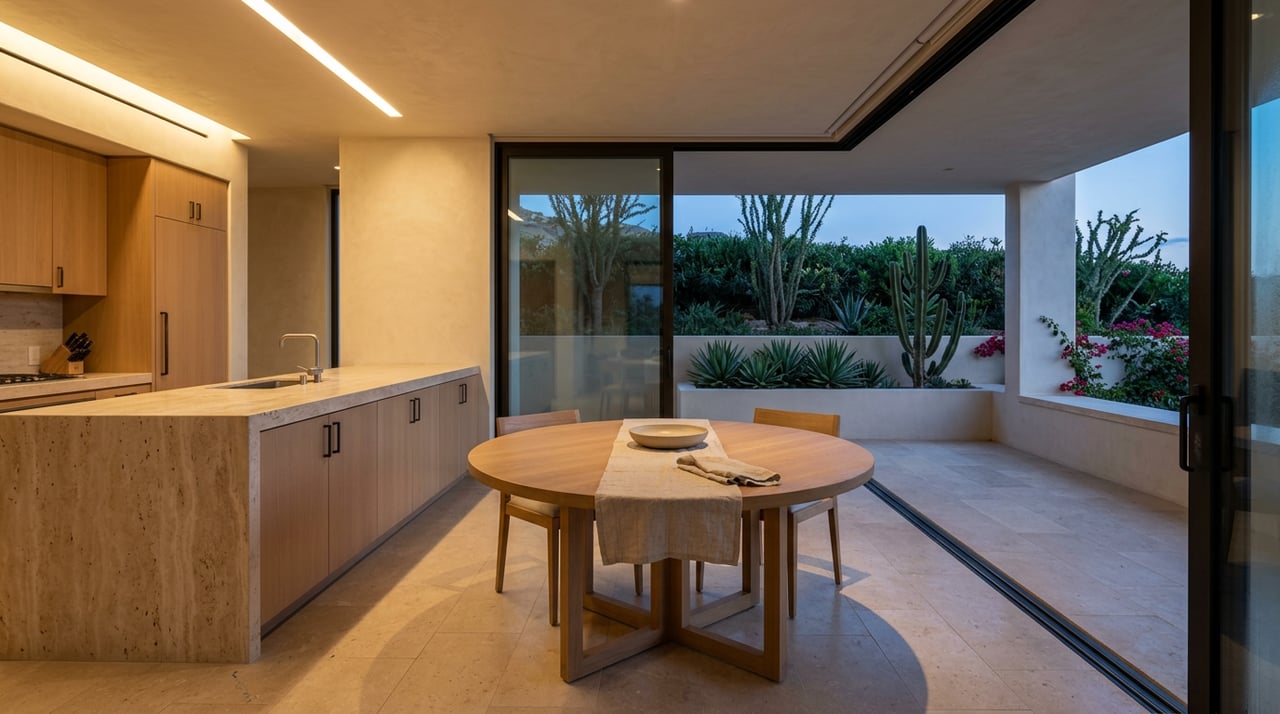
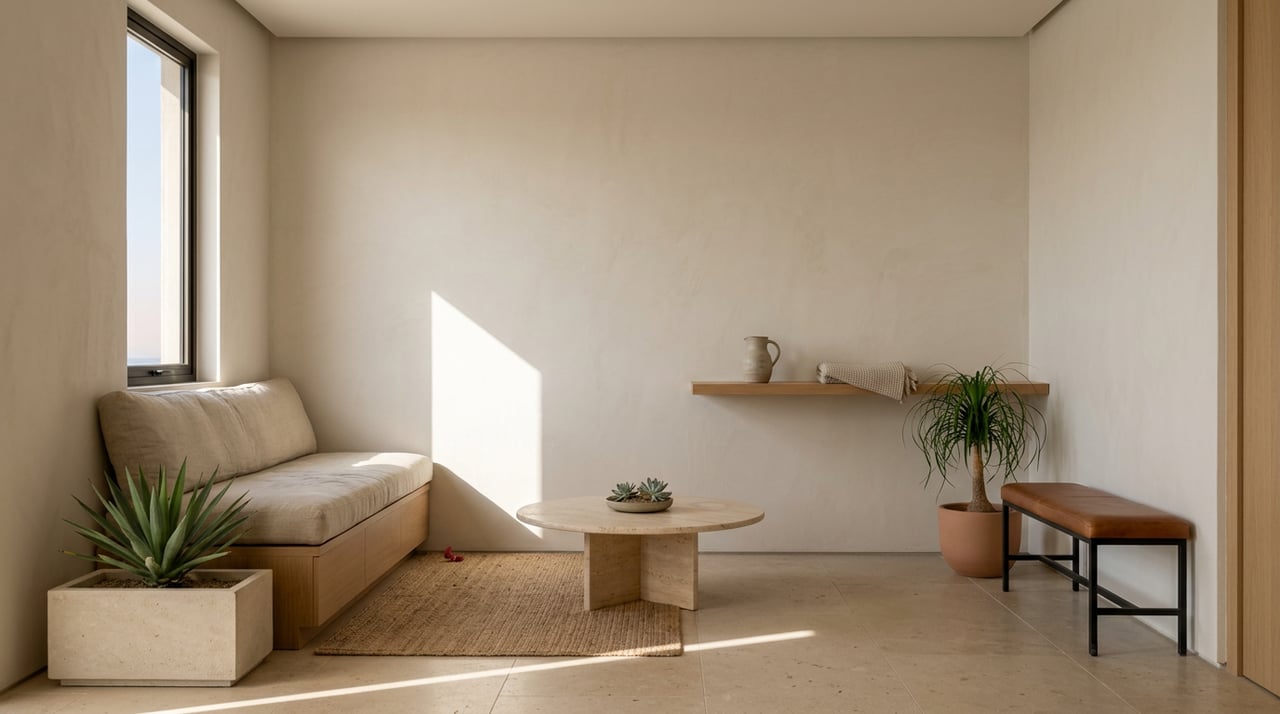
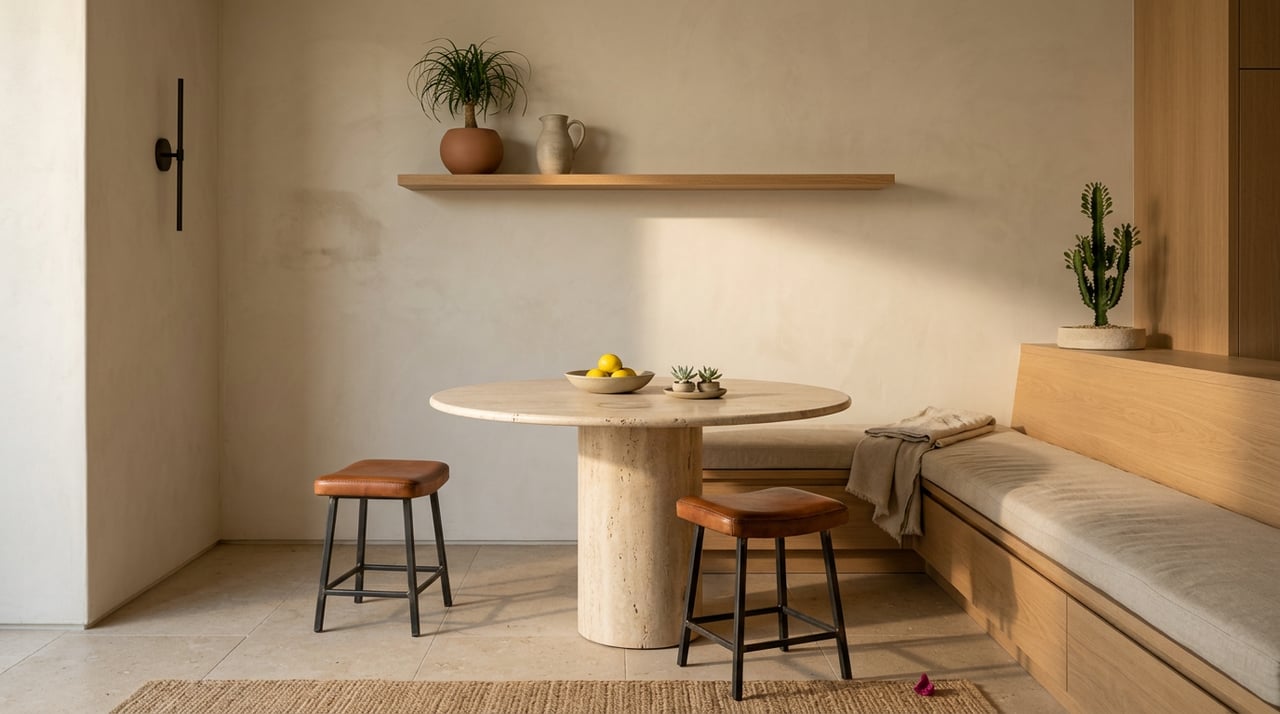
Thinking about Club Campestre but torn between buying a turnkey home and building your own custom retreat? You are not alone. You want the Cabo lifestyle without surprises, yet you also want a home that fits your vision and timeline. In this guide, you will get a clear, side-by-side look at what it takes to buy a resale home versus purchasing a homesite and building in Club Campestre, including timelines, costs, HOA rules, approvals, risk management, and resale implications. Let’s dive in.
Quick answer: build or buy?
If you value speed, predictability, and immediate use, buying a resale home is usually the faster, smoother path in Club Campestre. If you want a tailored design, specific finishes, and long-term control over quality, building on a lot can be worth the time and management.
Consider building if you prioritize:
- Customized layout, materials, and energy systems.
- Optimized views and site design for your exact lot.
- Long-term satisfaction over short-term convenience.
Consider buying resale if you prioritize:
- Moving in within weeks or months instead of a year or more.
- Cost predictability and minimal project oversight.
- Ease of ownership with amenity access from day one.
Club Campestre at a glance
Club Campestre in San José del Cabo is a planned, amenity-focused golf community with gated access, a homeowners association, and integrated infrastructure like roads, utilities, and common-area landscaping. The community maintains covenants and architectural guidelines that shape home styles, materials, and landscaping standards.
If you are a foreign buyer, remember that Los Cabos is within Mexico’s coastal restricted zone. You will typically acquire property through a bank trust, called a fideicomiso, or through a Mexican corporation. This structure affects both resale purchases and lot acquisitions for future builds. Always confirm specifics with a notario and your real estate attorney.
Timeline: move-in speed vs customization
Buying a resale home is the fastest route to occupancy. Closing typically takes weeks to a few months depending on the fideicomiso status, financing, and notarial scheduling. You can be enjoying your Cabo lifestyle soon after closing.
Building on a homesite is a multi-stage journey. A realistic total time from lot purchase to move-in is commonly 12 to 24 months, depending on design complexity, approvals, and contractor performance.
Key phases and typical durations:
- Lot due diligence and purchase closing: 2 to 8 weeks.
- Concept design and budgeting: 1 to 3 months.
- Detailed architectural and engineering design plus HOA review: 2 to 6 months.
- Municipal permits and environmental approvals: 1 to 6 months.
- Construction, from foundation to finishes: 8 to 18 or more months.
- Final inspections and utility connections: 2 to 8 weeks.
Scheduling risks to plan for:
- Architectural Review Board review cycles that require revisions.
- Municipal permitting and environmental steps, especially close to the coast.
- Material lead times and global supply chain variability.
- Labor constraints during peak tourist and construction seasons.
Cost factors to budget
There is no single answer to “Which is cheaper?” Building can deliver better value per square foot for a custom outcome, but soft costs, carrying costs, site challenges, and delays can erode that advantage. Resale offers predictability and immediate use. The right choice depends on your priorities and risk tolerance.
Upfront and purchase-related costs for both paths:
- Purchase price of the home or lot.
- Closing costs, including notary fees, transfer taxes, registration, and fideicomiso setup or transfer if required for foreign buyers.
- For building: surveys, geotechnical study, and architectural and engineering fees before you break ground.
Construction and site costs when building:
- General construction contract price, which varies with scope, finishes, and site conditions.
- Site preparation such as clearing, grading, retaining walls, and drainage, which can rise on sloped or rocky lots.
- Infrastructure connections for sewer or septic, water, electricity, and telecom.
- Soft costs like permits, impact fees, construction insurance, and materials testing.
Carrying costs during a build:
- Property taxes, typically modest compared to many U.S. markets but still payable.
- HOA fees for amenities and security in Club Campestre.
- Annual fideicomiso administration fees if you purchase via a bank trust.
- Utilities, interim site security, and maintenance.
- Financing costs if you use construction loans or credit lines.
- Builder’s risk and liability insurance, plus owners’ coverage during construction.
- Temporary housing or rentals while your home is being built.
- Contingency reserve. Many owners budget 10 to 20 percent for design changes, unforeseen site issues, and inflation. In Los Cabos, a higher contingency can be prudent due to logistics.
Rules and approvals in Club Campestre
Club Campestre maintains design guidelines and CC&Rs to unify aesthetics and protect property values. These address setbacks, heights, materials, facade treatments, rooflines, color palettes, landscaping standards, fencing, exterior lighting, and signage. Short-term rental policies may be restricted or selectively regulated, so review them carefully for your plans.
The Architectural Review Board will evaluate your plans before you seek municipal permits or start construction. You should plan for at least one formal review cycle, and you may need revisions and conditions before approval. Some communities have fixed review windows, so plan your design calendar accordingly.
Practical steps before you buy or design:
- Obtain and review CC&Rs and the full ARB guidelines.
- Confirm the process and typical lead times for approvals.
- Ask for sample approved plans and any recent variances to gauge flexibility.
- Verify rules on rentals, vehicle storage, exterior lighting, and landscaping species.
Builder selection and contract safeguards
Choosing the right team is the most important decision if you build. Focus on proven local experience in San José del Cabo and, ideally, in Club Campestre or similar communities.
What to look for in a contractor:
- Portfolio of comparable homes with verifiable quality.
- Recent client references and homes you can visit.
- Financial stability and strong subcontractor relationships.
- Familiarity with local permitting and HOA processes.
Contract protections that reduce risk:
- Bilingual, detailed contracts that define scope, schedule, payment terms, allowances, warranties, and change order procedures.
- Clear milestones and remedies if substantial completion is delayed.
- Retention holdbacks until the punch list is complete.
- Performance security for larger projects, such as performance bonds or bank guarantees.
- Proof of contractor liability insurance and worker coverage valid in Mexico, with adequate limits.
- Procedures for lien releases or waivers from subcontractors with each payment.
Project oversight tips:
- Engage a local architect or owner’s representative to oversee daily progress and quality control.
- Require regular reporting, scheduled site walks, and documented progress photos.
- Maintain your contingency and enforce a strict change order approval process.
Resale value and exit strategy
Finished homes generally appeal to a broader buyer base and can command premiums when they offer desirable floor plans, quality finishes, and professional presentation. Highly personalized design choices can narrow your future buyer pool, so aim for neutral, high-quality selections where possible.
Lots attract a different pool of buyers who want to build and may have specific design goals. Lots can be less liquid than finished homes. Time to sale can be longer for upscale or unique properties, and pricing relative to comparable turnkey homes remains a key driver.
Marketability boosters for both paths:
- Completed infrastructure and utility connections.
- As-built plans and warranties for systems.
- Clear documentation of ARB and municipal compliance.
- Well-maintained landscaping and curb appeal for homes.
When you plan your exit timeline, remember that selling property in Mexico involves notary fees, transfer costs, and agent commissions, which vary by region. For lots, buyer financing options can be limited, which may reduce the pool of qualified purchasers unless seller or developer financing is available.
Due diligence checklist for Club Campestre
Title and legal:
- Verify title with the Public Property Registry.
- Confirm the fideicomiso structure and annual fees if you are a foreign buyer.
- Check for liens, easements, assessments, or encumbrances.
- Review CC&Rs, ARB guidelines, and recent enforcement history.
Site and technical:
- Order a topographic survey and confirm boundaries.
- Commission a geotechnical report for foundation design and accurate budgeting.
- Confirm floodplain status, coastal setbacks, erosion risk, and any environmental limitations.
- Validate access to water, sewer or septic, electricity, and telecom. Assess generator needs if desired.
- Review drainage and stormwater plans for the lot and adjacent areas.
Permitting and approvals:
- Confirm the ARB submission steps, review calendars, and likely timelines.
- Review municipal permit requirements and any state or federal environmental permits if your lot is near protected areas or the shoreline.
- For resales, verify as-built permits and occupancy certificates.
Financial planning:
- Obtain professional construction cost estimates, including site prep.
- Model closing costs and carrying costs like HOA fees, property tax, insurance, and fideicomiso expenses.
- Understand current financing options from local banks and specialist lenders if you plan to borrow.
Operational and practical:
- Review HOA financials, reserve studies, and assessment history.
- Confirm community services like security, trash, and maintenance.
- Ask for sample utility bills and HOA invoices for benchmarking.
Scenario planning: which path fits you?
The seasonal user. You plan to spend several months a year in Los Cabos and want simplicity. Buying a resale home gives you immediate access to amenities and predictable costs. Building may be a future project after you get to know the community.
The design-forward owner. You have a clear vision for layout, materials, and indoor-outdoor flow. Building on a lot can deliver the home you want, provided you are comfortable with a 12 to 24 month window and active project oversight.
The investor-occupant. You want personal use and potential rental income. A resale can be staged and rented quickly if permitted by the community. If you build, choose flexible floor plans and neutral finishes to maintain broader market appeal at resale.
How our team supports your decision
You deserve a clear, low-stress experience whether you buy turnkey or build from the ground up. As a boutique, bilingual team based in San José del Cabo, we help you compare options in Club Campestre with real timelines, vetted local contacts, and guidance tailored to cross-border buyers.
Here is how we can help:
- Property search for both resale homes and buildable lots that fit your budget, design goals, and view preferences.
- Introductions to notarios, real estate attorneys, architects, engineers, and proven local builders.
- Education on the fideicomiso process for foreign buyers and coordination with your legal advisors.
- Review of HOA rules, ARB processes, and practical timelines before you commit capital.
- Investor guidance on rental suitability and marketability considerations within community rules.
When you are ready, we will help you map the process step by step so your choice feels like both a lifestyle win and a sound investment.
Ready to clarify your path in Club Campestre? Reach out to schedule your Private Los Cabos Consultation with Paul Goldsmith - Main Site.
FAQs
How long does it take to close on a resale home in Club Campestre?
- Closings often take weeks to a few months depending on the fideicomiso status, financing, and notarial scheduling.
How long does a custom build take from lot purchase to move-in?
- Most owners should plan for 12 to 24 months, which includes design, approvals, permitting, construction, and final connections.
Is building cheaper than buying a resale home in Club Campestre?
- It depends on scope, site conditions, soft costs, and delays; building can offer value for a custom outcome, while resale offers predictability and immediate use.
What are the biggest risks when building in San José del Cabo?
- Cost escalation, schedule delays, contractor performance, permit or ARB review timelines, and unforeseen site conditions top the list.
Do foreign buyers need a fideicomiso for Club Campestre purchases?
- Most foreign buyers purchase through a bank trust called a fideicomiso or via a Mexican corporation; confirm the right structure with a notario and your attorney.
Are construction loans available for non-residents in Los Cabos?
- Some Mexican banks and specialist lenders offer options, while many buyers use cash or private lending; confirm current terms with local lenders.