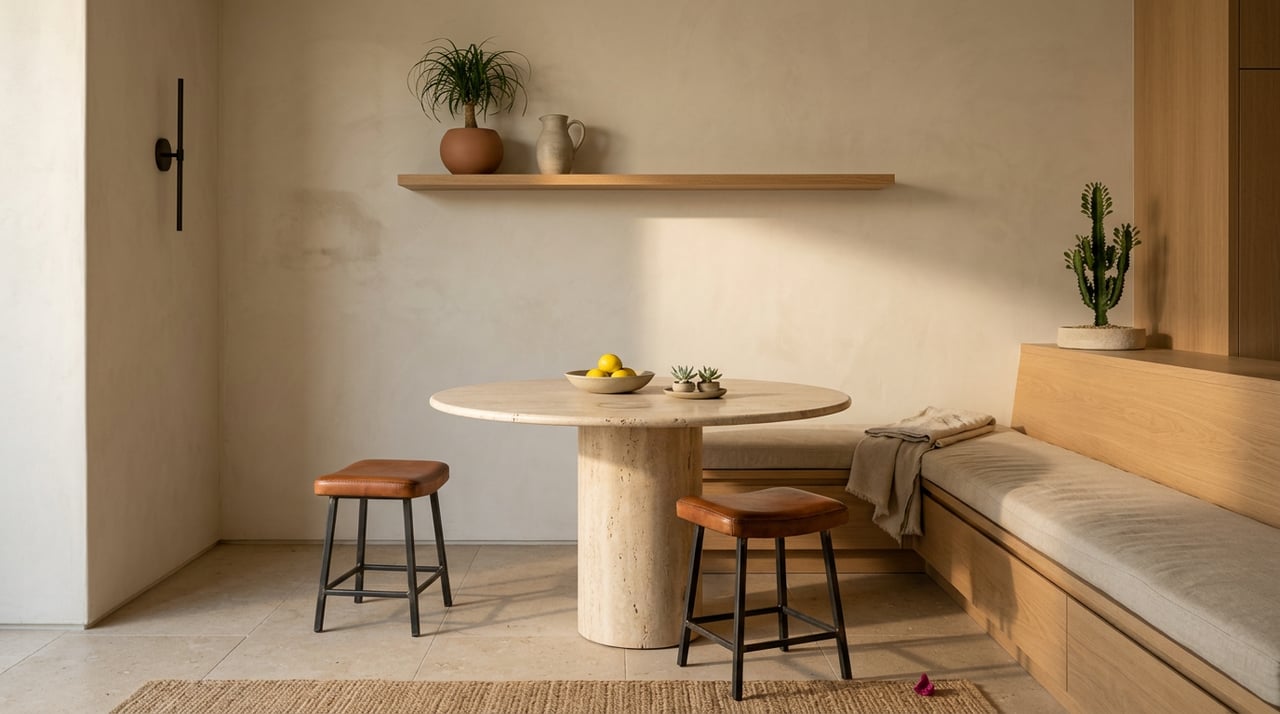
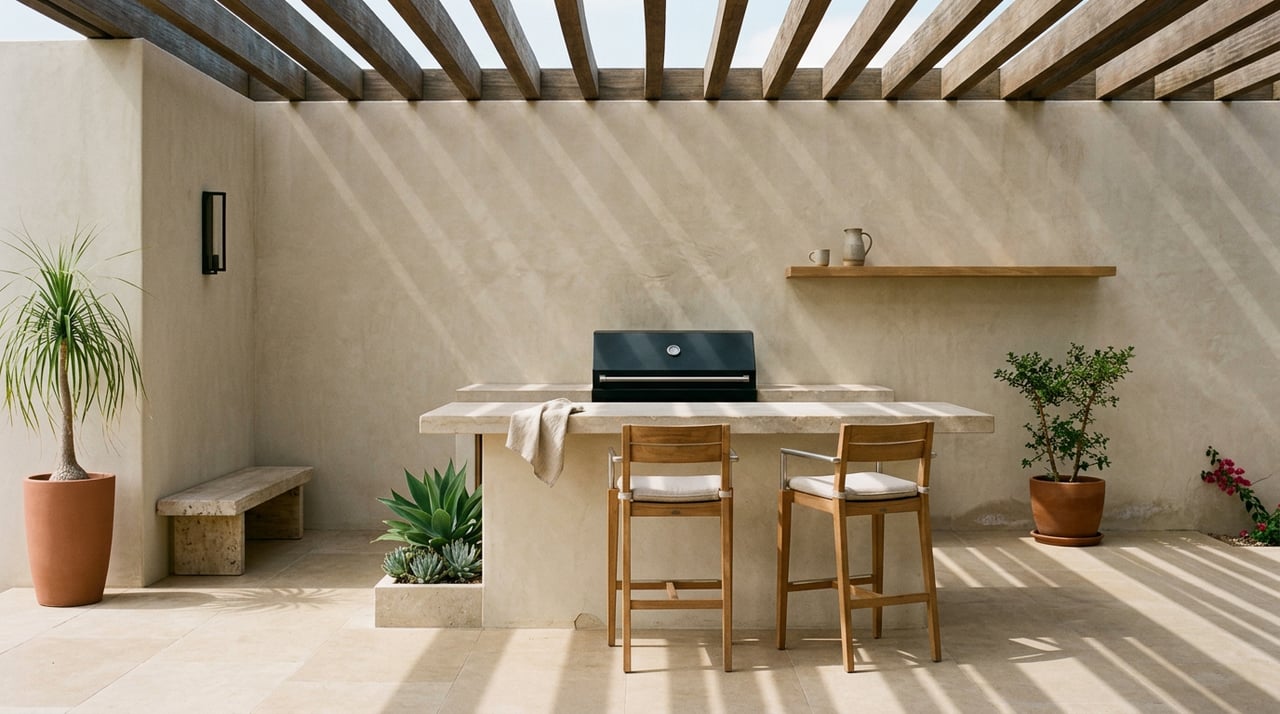
Trying to choose between a Palmilla condo and a Palmilla villa? Both offer sunshine, golf, and a swimmable beach lifestyle, but they perform very differently on price, upkeep, and rental returns. If you want a clear, data-backed way to pick the right fit for your goals, you’re in the right place. In this guide, you’ll compare costs, rental potential, and ownership logistics side by side, then walk away with a practical checklist you can use with your agent. Let’s dive in.
Palmilla at a glance
Palmilla is a gated, low-density luxury enclave in the San José del Cabo corridor. It is anchored by the One&Only Palmilla resort, a Jack Nicklaus 27-hole golf course, and curated retail and dining at The Shoppes at Palmilla. You’ll find a blend of resort and residential living, with a swimmable beach, private clubs, and golf-forward amenities that define the community’s lifestyle.
For buyers and investors, the big decision is product type: lock-and-leave condos and townhomes with shared amenities, or larger villas and custom estates that offer more space and privacy.
Condos vs. villas: what defines each
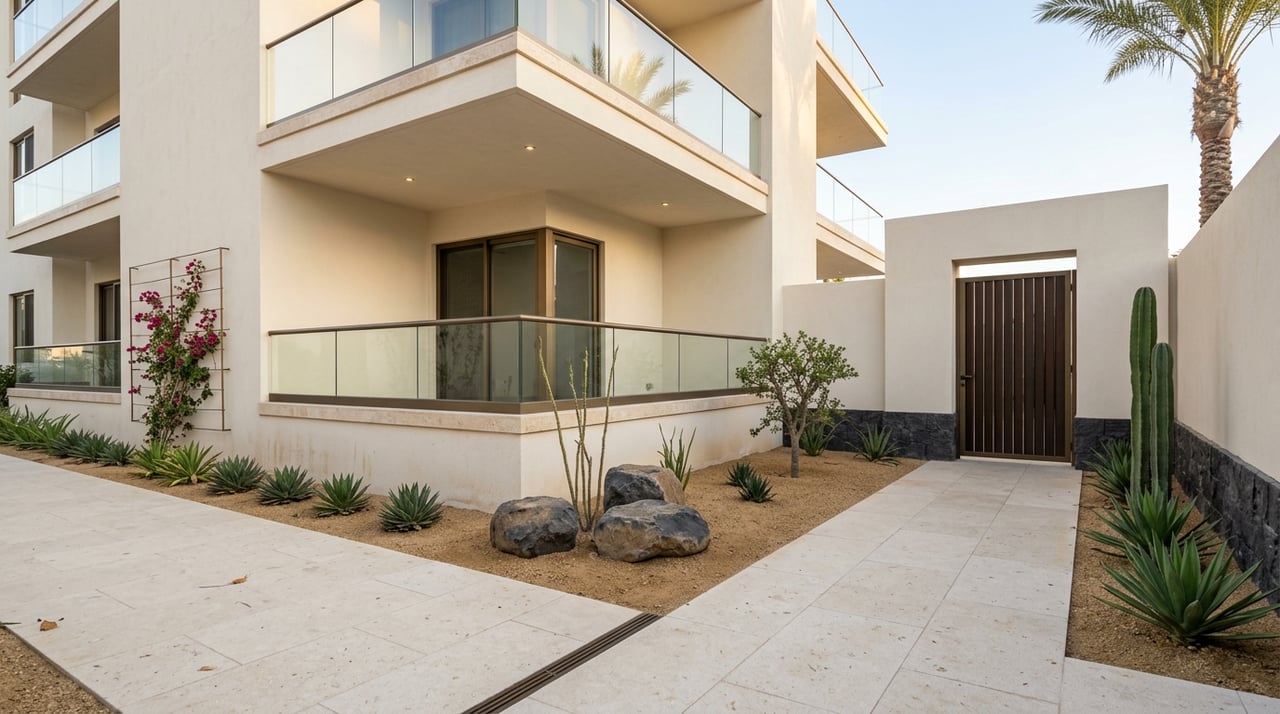
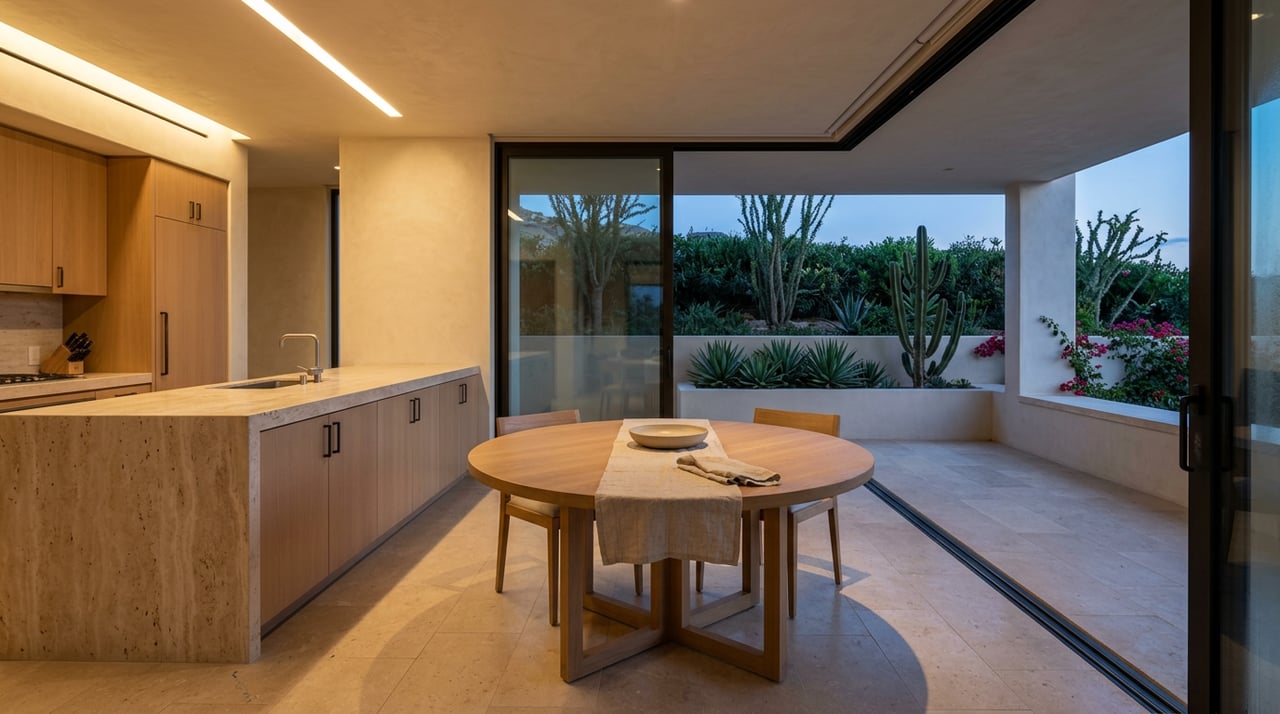
- Condos and townhomes: Concentrated in areas like Palmilla Dunes, Villas de Oro, and Villas de Montaña. These are classic lock-and-leave options with building amenities such as pools, fitness facilities, and club access. They sit under a condominium regime with a homeowners association.
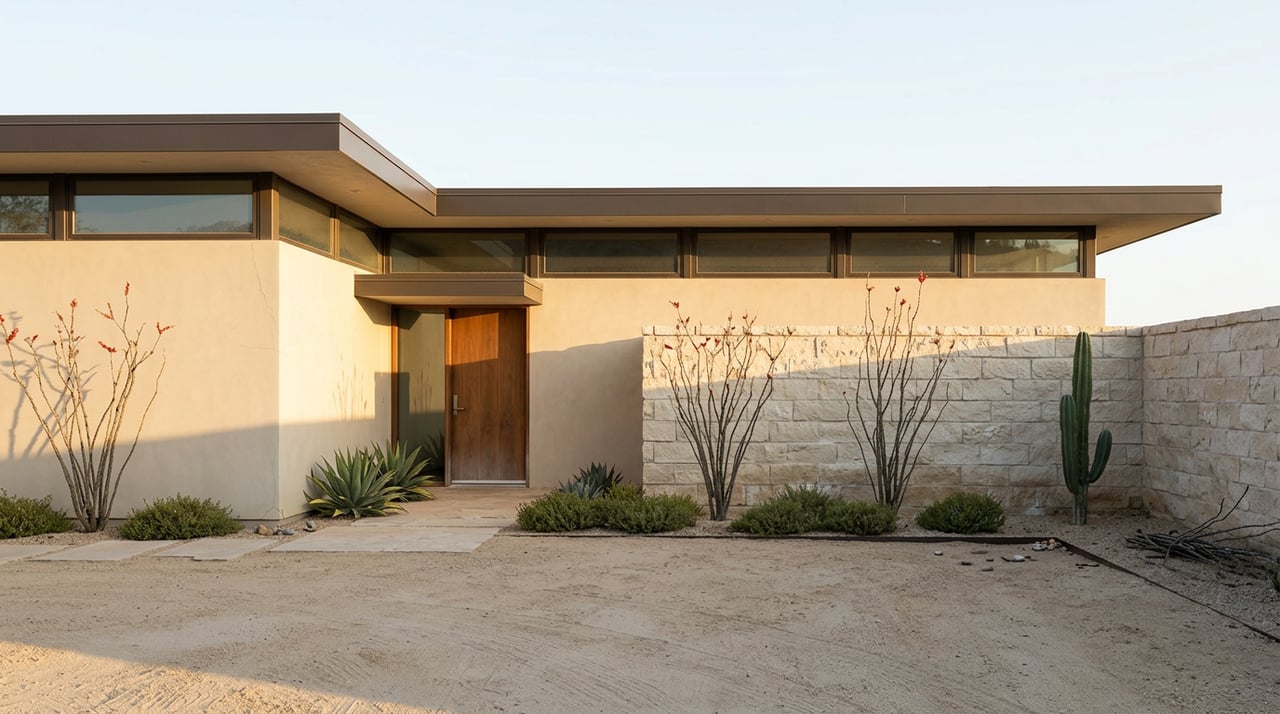
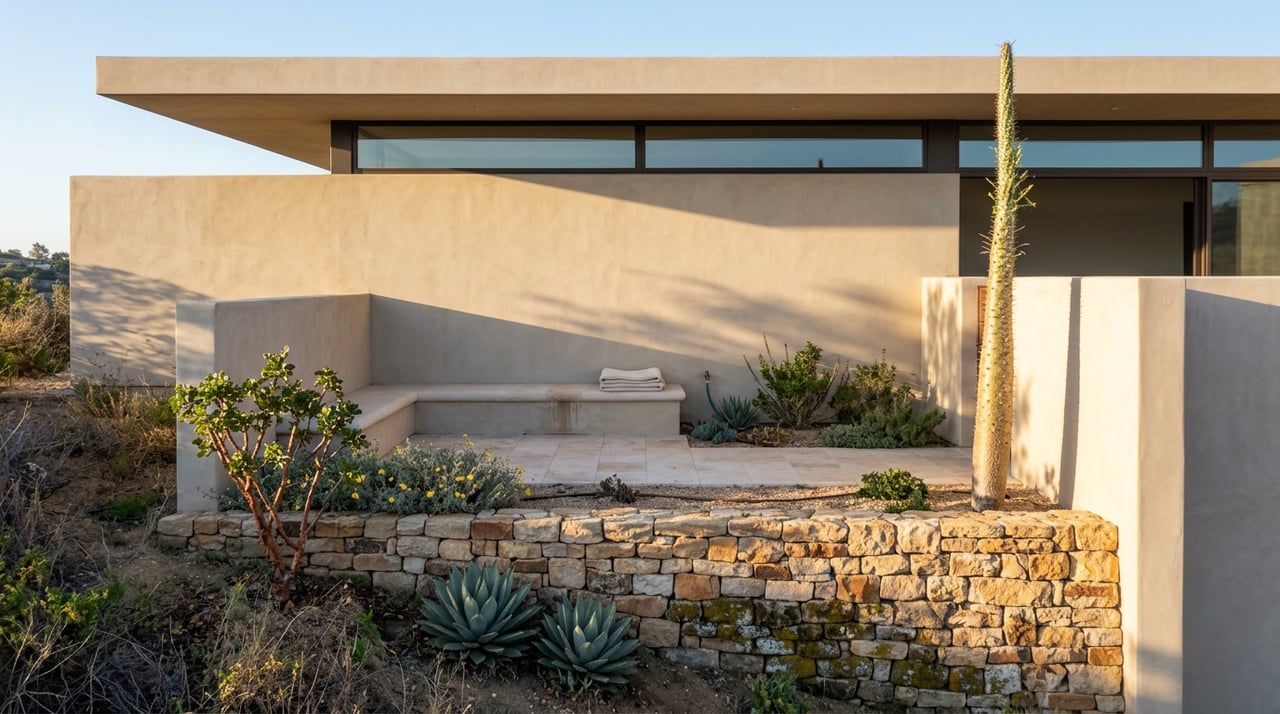
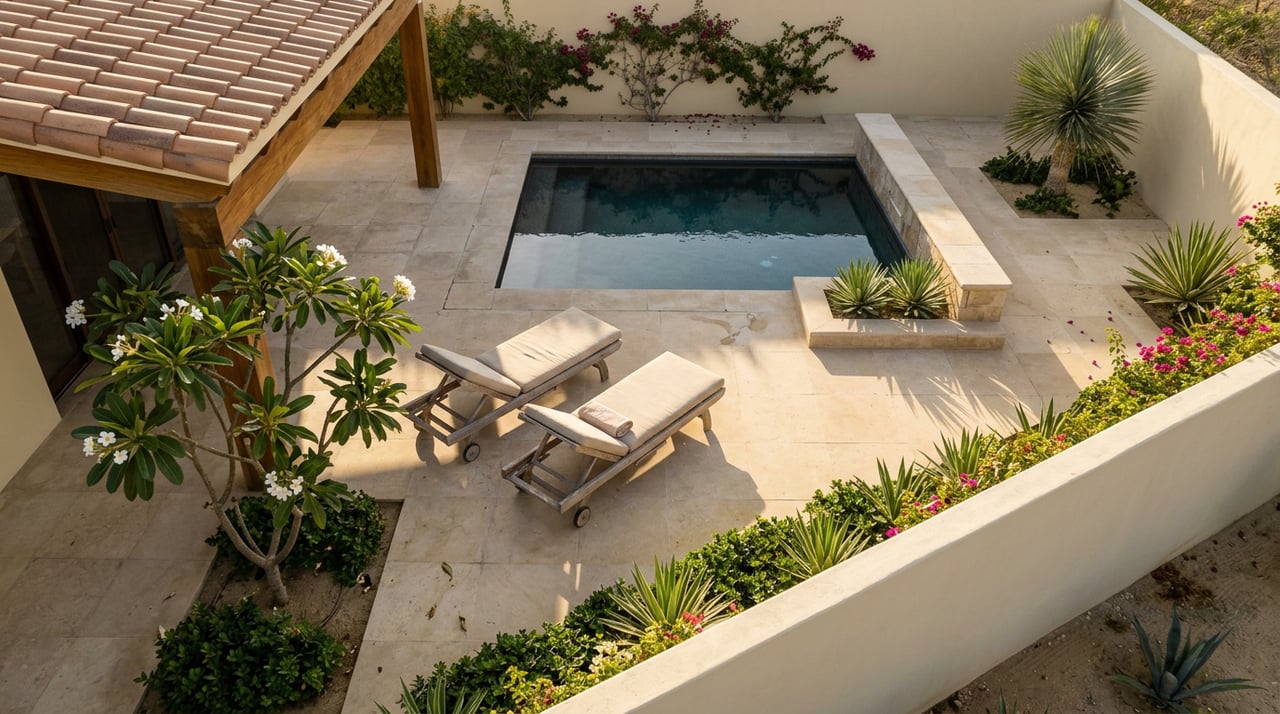
- Villas and estates: Common in neighborhoods such as Villas del Mar, Caleta, Palmilla Estates, and Palmilla Fairways. These are standalone or semi-detached homes that often include private pools, larger outdoor spaces, and greater privacy.
Both options usually sit inside gated enclaves. The main trade-off is simplicity and lower maintenance for condos versus space, privacy, and customization for villas.
Price bands and value drivers
Palmilla is a luxury market where values are highly sensitive to views and proximity to the beach, beach club, and golf. Use these representative ranges as a starting point, then refine with current MLS data:
- Condos (2–3 bedrooms, lock-and-leave): roughly $995,000 to $2.5M or more depending on size, view, and amenity set. Turnkey penthouses commonly list in the $1.0M–$2.5M band.
- Villas and townhomes (3–4 bedrooms): frequent resale range around $1.8M–$5M for family-sized villas. Premium hillside, ocean-view, and beachfront estates can trade well above that, including ultra-prime properties that exceed $10M–$20M.
Inventory for true ocean views and beach-adjacent properties tends to be constrained. Those homes usually command a premium and can move faster than interior or golf-view options.
Ownership and closing basics for foreign buyers
Palmilla sits within Mexico’s coastal “restricted zone.” If you are a foreign buyer, the standard path is a bank trust called a fideicomiso that grants full use, rental, and sale rights. The Mexican Ministry of Foreign Affairs issues the permit, and the trust is executed before a notary. Review the official process and fees in the SRE guidance for fideicomiso permits and confirm the published SRE tariff when you budget.
For closing costs, many industry summaries suggest planning roughly 5%–8% of the purchase price for state transfer tax, notary and registry fees, and bank trust setup where applicable. You can review a practical overview in this guide to investing in Mexican real estate.
Annual carrying costs to expect
Your annual budget will depend on property type, size, and amenity set.
- HOA and community fees: Fees vary by development. Sample listings for larger Palmilla Estates homes cite around MXN 16,000 per month, and condo fees can be lower or similar depending on services and staffing. Review the latest HOA budget, what is included, and any special assessments. You can reference sample listing data that cites maintenance amounts when benchmarking.
- Property tax (predial): Historically low compared to U.S. norms. Many municipalities assess a fraction of 1% of assessed value, often near 0.05%–0.3%. Learn more about predial context in this summary of Mexican ownership structures and property tax.
- Insurance and coastal upkeep: Coastal exposure calls for strong insurance and a higher maintenance reserve, especially for villas with private pools, landscaping, and exterior systems. See the insurance and risk notes in the Mexican real estate investing guide.
Maintenance responsibilities compared
Condos and townhomes
You handle the interior and any private terrace areas. The HOA covers the building envelope, common spaces, amenities, and staffing as defined by the condo regime. This structure suits seasonal owners and investors who want lower touch. If rentals matter, confirm whether the HOA permits short-term rentals and the rules for guests, platforms, and fees. For an overview of Mexico’s condo regime, see this condominium ownership guide.
For lifestyle context, amenities in communities like Palmilla Dunes can include resort-style pools, fitness, and social spaces. Explore the Palmilla Dunes lifestyle overview for a sense of what a high-amenity condo experience can look like.
Villas and estates
You are typically responsible for the lot and exterior systems, including a private pool, irrigation, and landscaping. Villas deliver privacy and space but introduce higher variable maintenance, contractor oversight, and insurance planning compared to a similar-size condo.
Rental potential and seasonality
If you plan to rent, it pays to model performance at the property level.
- Market snapshot: For San José del Cabo, a useful proxy for Palmilla, AirROI reports an average daily rate near $380–$385 and average occupancy in the low-to-mid 30 percent range, with peak months in winter. Median annual revenue sits in the low-to-mid five figures across the market, while top-tier villas can generate substantially higher monthly revenue in peak season.
- Management costs: Full-service short-term rental managers in resort markets often charge about 20%–30% of gross revenue. Cleaning and turnover are separate line items. See fee benchmarks in this operational cost guide.
- Illustrative example: A typical listing near the citywide median might show roughly $1.6k–$1.8k per month in gross revenue at market medians. Subtract management, HOA and maintenance, utilities, and cleaning to estimate net operating cash flow. For any specific home, always underwrite with actual historical rental statements and a current pricing strategy.
Practical takeaways:
- Condos usually provide steadier, simpler operations for couples and small families. They are easier to staff and maintain. Always check HOA rental permissions and platform rules before you buy.
- Villas can deliver higher nightly rates and strong peak-season cash flow for groups, but they carry higher fixed and variable costs and require more robust management.
Risks and nuances in Palmilla
- Supply scarcity and view premiums: True ocean-view and beach-proximate homes are less common and less interchangeable. They often command long-term value premiums and can trade faster when listed.
- HOA and municipal rules: Do not assume short-term rentals are allowed. Verify HOA bylaws and municipal permissions in writing before you underwrite income.
- Coastal exposure: Hurricanes and salt air increase maintenance and insurance needs. Build a non-trivial maintenance reserve into your plan and obtain quotes before closing.
Which Palmilla property fits your goals
Use this quick decision guide to align your choice with your lifestyle and investment plan:
- Choose a condo or townhome if you want low-maintenance living, shared amenities, a turnkey setup for part-time use and rentals, and a purchase price typically under most villa budgets.
- Choose a villa if you want maximum privacy and space, a private pool and yard, more customization, and the potential for higher peak-season rental income. Budget for higher upkeep, stronger management, and bigger reserves.
Palmilla due-diligence checklist
Bring this list to your agent and service team before you write an offer:
- HOA documents and financials: Monthly fees, last 12 months of minutes, current budget, any pending special assessments, short-term rental rules, and club or beach access transfer policies.
- Rental history: Request 3–24 months of actual rental statements and the current pricing calendar if you are buying for income. Compare claims to third-party or manager records and local market medians like the AirROI city report.
- Services and ops quotes: Written estimates for property management, guest turnovers, pool service, landscaping, and pest control. Benchmark manager fee ranges using this operational cost guide.
- Legal and closing: Confirm title, whether a fideicomiso is required, and obtain a written closing cost estimate that includes notary fees, state transfer tax, and the bank trust setup. Review the SRE permit steps and SRE tariff.
- Insurance and reserves: Obtain hurricane and replacement-cost quotes. Set an annual maintenance reserve that reflects coastal exposure and property size.
- Contracts and memberships: Ask the seller about any active rental-management agreements, and any club, social, or golf memberships connected to the property.
Your next step in Palmilla
Whether you lean condo or villa, the smartest move is to align your wish list, budget, and rental strategy with on-the-ground inventory and HOA realities. Our team pairs local insight with cross-border expertise to help you compare options in Palmilla Dunes, Villas de Oro, Caleta, Villas del Mar, Palmilla Estates, and beyond. If you want private comps, current HOA fee schedules, and rental statements for suitable income properties, let’s talk about your plan.
Ready to refine your Palmilla shortlist and run the numbers on your terms? Schedule your private consultation with Paul Goldsmith - Main Site.
FAQs
What are the main financial differences between Palmilla condos and villas?
- Condos typically have lower variable maintenance and centralized HOA services, while villas add private pool, landscaping, and exterior system costs on top of community fees.
How much should I budget for closing costs as a foreign buyer in Palmilla?
- Plan for about 5%–8% of the purchase price, plus bank trust setup and related SRE permit fees if a fideicomiso is required. Confirm a written estimate with your notary.
Do Palmilla HOAs allow short-term rentals in condos or villas?
- Rules vary by building and neighborhood. Review the condo regime or HOA bylaws and obtain written confirmation before assuming any short-term rental activity is permitted.
What are typical short-term rental performance metrics near Palmilla?
- In San José del Cabo, market medians show ADR near $380–$385 and occupancy in the low-to-mid 30 percent range, with peak months in winter. Individual property performance varies.
Are property taxes high in Palmilla compared to the U.S.?
- Property tax in many Mexican municipalities is a fraction of 1% of assessed value. Expect predial to be a modest budget line compared to many U.S. markets.
Which Palmilla product type is easier to manage remotely?
- Condos are usually more turnkey due to HOA-managed exteriors and amenities. Villas require more hands-on oversight and bigger reserves for repairs and coastal maintenance.