How US And Canadian Buyers Purchase In Palmilla
March 26, 2026
March 26, 2026
Thinking about a home in Palmilla but unsure how buying in Mexico works as a U.S. or Canadian? You are not alone. The coastal location and prestige amenities make Palmilla a top choice, yet the process has unique steps you will not see at home. In this guide, you will learn how ownership works for foreigners, what to expect from offer to close, how much to budget, and the pitfalls to avoid so you can move forward with confidence. Let’s dive in.
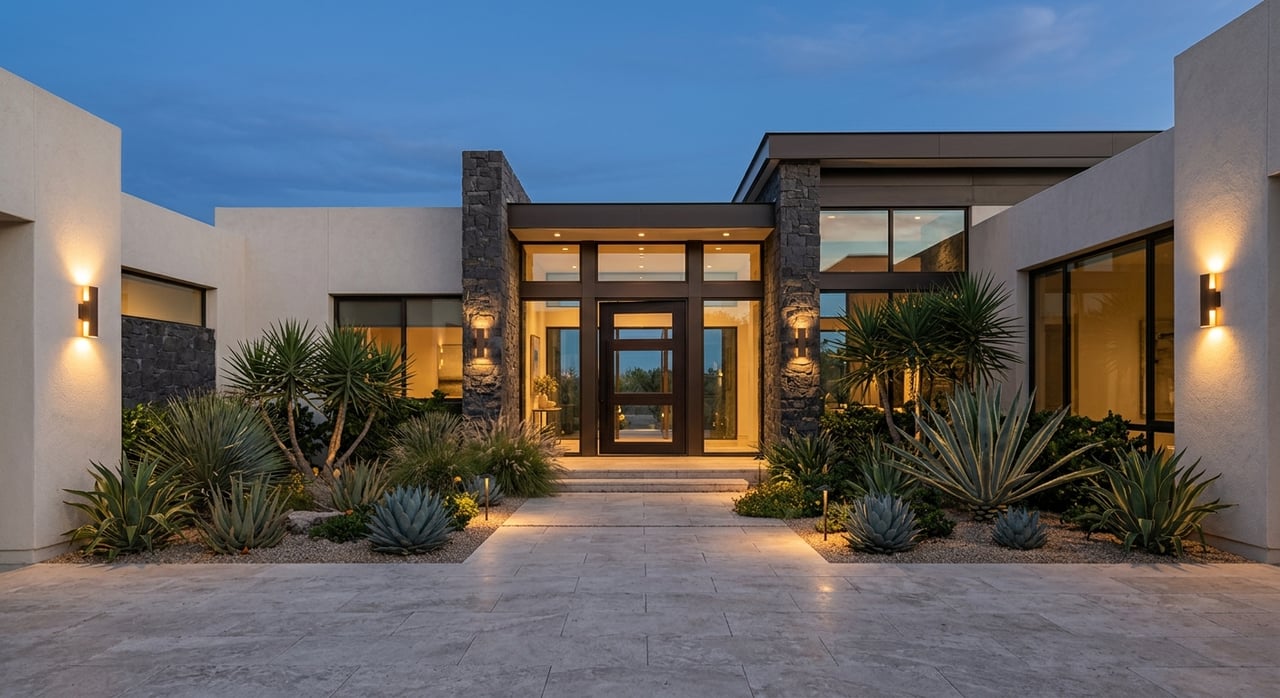
Palmilla sits on the San José del Cabo corridor with a world-class resort setting, a Jack Nicklaus golf course, and Playa Palmilla, a popular swimmable beach. You are about a 15–25 minute drive to Los Cabos International Airport and historic San José del Cabo. The mix of lifestyle value and easy access is a big part of why many U.S. and Canadian buyers choose Palmilla for second homes or full-time living. Because Palmilla is on the coast, you will use Mexico’s foreign-ownership tools designed for properties in the restricted zone.
Under Mexico’s Constitution, foreigners cannot hold direct title to land within 50 kilometers of the coastline or 100 kilometers of an international land border. For Palmilla, that means you will hold title through a bank trust called a fideicomiso, which gives you the practical rights of ownership, including the ability to use, lease, finance, sell, and inherit the property. Trusts are typically authorized for 50 years and can be renewed. You can review the restricted zone framework in Mexico’s legal references on foreign investment and Article 27 of the Constitution. See the constitutional framework overview.
A standard part of buying in the restricted zone is a filing with Mexico’s foreign relations authority. In practice, your notary and the bank’s trust team handle this step for you, but you should expect a formal notification or permit in the closing package. You can view the official filing pathway on the federal portal. Learn about the SRE procedure.
Your final transfer is executed before a Notario Público, a state-appointed legal officer. The notary coordinates title searches, confirms taxes and liens are clear, drafts the deed or trust documents, collects closing taxes and fees, and records the deed with the Public Registry. The notary’s duty is to the law and the state, not to either party. Many foreign buyers also engage independent Mexican counsel for added protection. Read how Mexican notaries handle closings.
Mexico’s beaches and a narrow band of land at the waterline are part of the federal maritime-terrestrial zone known as ZOFEMAT. Private use that occupies or alters this strip requires a federal concession or permit. If you are evaluating an oceanfront listing in Palmilla, confirm whether any ZOFEMAT concession exists and whether structures encroach into the federal zone. Review SEMARNAT’s ZOFEMAT concession guidance.
Notaries perform title checks and record your deed, and many foreign buyers add title insurance for extra protection, especially on properties with a long ownership history. It is optional. Cross-border estate planning is also common so your Mexican asset integrates with your U.S. or Canadian plan.
Deposit practices vary by property and negotiation. In luxury markets like Palmilla, buyers often place a written deposit after acceptance. A practical approach is to keep early deposits conservative until title review is complete and insist funds be held in neutral escrow, a notary account, or a fiduciary bank account. Always verify wiring instructions by phone using a known, independently sourced number.
Ask your agent, notary, or attorney to gather and explain these items right away:
A reasonable planning range for buyer closing costs is about 4 to 8 percent of the purchase price, depending on the municipality, complexity, and whether a fideicomiso is involved. Typical components include the municipal transfer tax (ISAI), notary and registry fees, bank trust setup and first-year trustee fee, escrow or bank fees, and optional title insurance. Local rates change, so ask the notary for a written estimate for your specific Palmilla property. Do not rely on a general number without confirmation.
For a resale with clear title and documents in order, most buyers close in about 4 to 8 weeks after acceptance. New construction follows the developer’s delivery schedule. Fideicomiso setup usually runs in parallel and is completed within the closing window when your documents are ready.
Engage a bilingual local agent experienced in Palmilla and request the current deed and recent Public Registry certificates for the lot.
Submit a written offer that names your chosen notary and specifies neutral escrow or a notary fiduciary account. Add a focused due diligence window based on deal complexity.
During due diligence, instruct the notary or your attorney to pull the Certificate of No Liens, municipal no-debt letters for taxes and utilities, HOA statements, and a recent topographic plan. If required, apply for the fideicomiso with your chosen bank.
Review inspections, title certs, and HOA documents. If you want an extra layer of protection, request a title insurance quote. Then set a deed signing date.
Close at the notary. Sign the deed or trust documents, pay taxes and fees, transfer funds through verified escrow, and receive keys. The notary records the deed and completes the SRE filing as required.
After closing, set up utilities in your name, pay the annual trust fee if applicable, confirm HOA registration, and consider a Mexican will to align your estate plan.
If Palmilla checks your boxes for lifestyle and access, the next step is a clear, secure plan to acquire the right home. Our team pairs cross-border experience with on-the-ground Palmilla expertise so you can move from research to keys with confidence. When you are ready, reach out to Goldsmith Group Los Cabos to Schedule Your Private Los Cabos Consultation.
Stay up to date on the latest real estate trends.
August 20, 2026
August 13, 2026
August 6, 2026
July 23, 2026
July 23, 2026
July 16, 2026
July 9, 2026
July 2, 2026
June 25, 2026